Live research · We review worker diaries daily and update this page as new findings come in.
Worth the Shift
Before the first shift
What makes a seasonal job worth saying yes to? Workers describe the conversations, trade-offs and everyday tasks behind that decision.
What is this study about
We’re asking seasonal retail and fulfillment workers to walk us through choosing a job and starting their first shifts. We want to understand what they knew when they said yes, what they had to guess, and what they wish someone had told them sooner.
Who we’re hearing from
Each bar shows a share of the workers who contributed a diary, with each person represented once per chart. This small group leans toward store-based work. Its makeup gives context to the stories here and can change as the study grows.
Work setting described
Store-based work only69%
Both store and warehouse or distribution13%
Warehouse or distribution only6%
Setting unspecified13%
Age
18–2438%
25–3944%
40 and older19%
Gender in participant profiles
Women75%
Men25%
Store-based work includes sales, styling, checkout, stocking and in-store fulfillment. Workers who described both settings appear in the combined category. Percentages are rounded.
THE LATEST FROM THE DIARIES
What a candidate needs to picture
Which hours can I count on?
For some workers, flexibility meant fitting a second job around existing commitments. For others, the question was whether there would be enough hours to make the job worthwhile. A promise of “flexible hours” leaves both questions open.
For recruiting teams · Put a sample peak-week schedule in the posting. Explain which hours are typical, which are guaranteed, how holiday coverage works and when workers learn their next shift. Explain what happens on a slow day and whether overtime is optional.
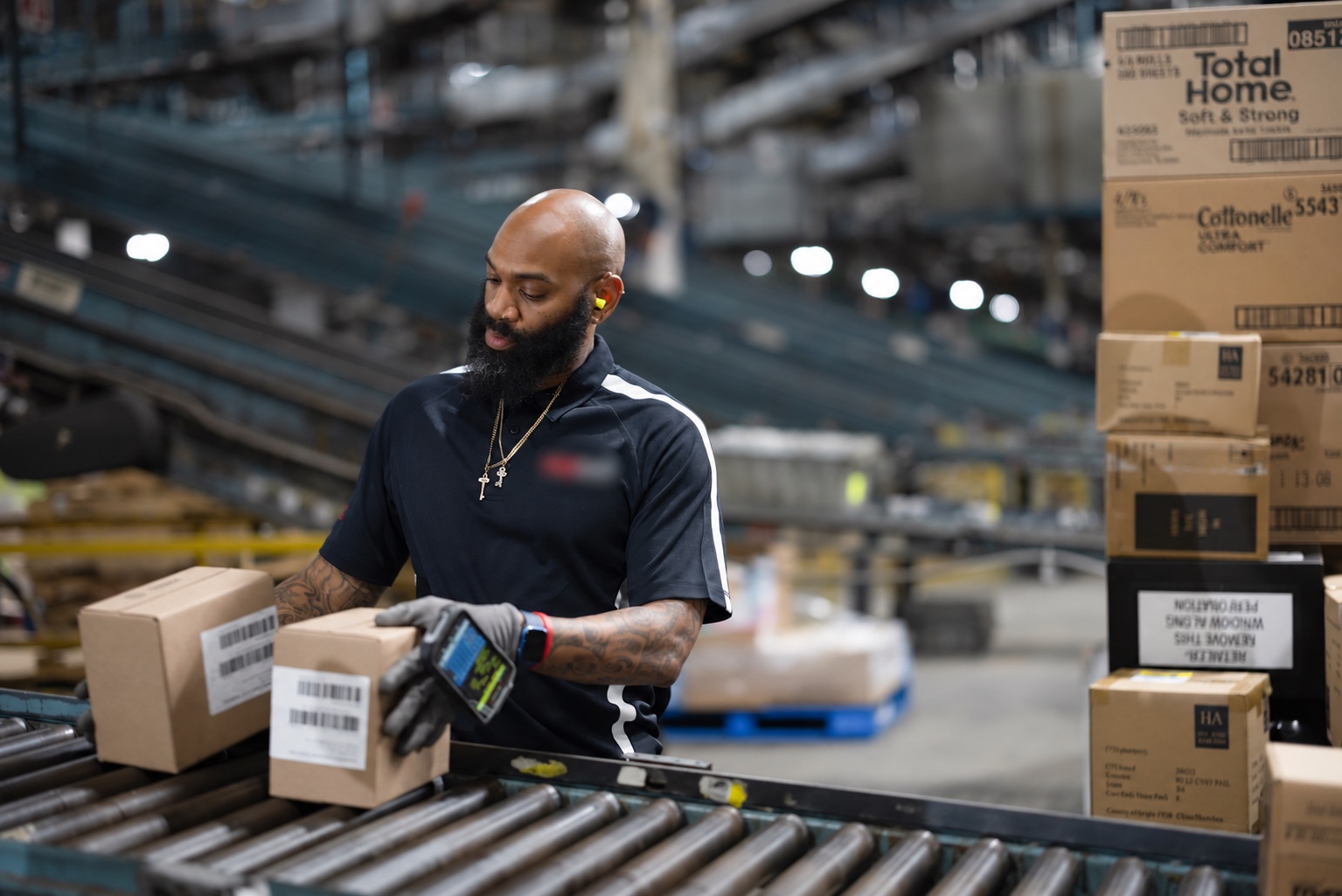
Retail participants described markedly different shifts. Some spent their time helping shoppers choose products. Others received stock before opening or filled online orders. Some moved between those tasks as demand changed. In warehouse work, a shift could involve scanning packages, sorting them by destination and staging them for dispatch.
For employer brand teams · Build the job preview around a real sequence of tasks. Show when a worker is with customers, when they work behind the scenes and who decides when they switch.
Three kinds of work described in the diaries. A single role can span all three.
Customer floor
Advise shoppers Work the register
Stockroom
Receive deliveries Replenish shelves
Order fulfillment
Pick online orders Prepare pickups
Can you see me doing this?
Workers recalled interviews where a manager noticed something they had done before and explained how it would help on the floor. That exchange gave them a concrete reason to picture themselves succeeding.
For hiring managers · Ask about a task the candidate knows well. Connect it to a task on your team, then explain what a new hire will learn and who will teach it.
Workers weighed seasonal roles against delivery gigs, food service, office work and other retail jobs. A quick start and steady pay could make warehouse work attractive even when the worker was still exploring a longer-term career. Extra income mattered, but a shorter commute or a shift that ended before family commitments could tip the decision even when another job paid more.
For recruiters · Ask what else the candidate is considering. Give them the hourly rate, pay frequency, location and shift window together so they can compare a real week.
Some workers wanted a defined stretch of income or a way to gain experience between commitments. Others accepted variable hours partly because they hoped to stay. Even a posting with clear pay could leave the end date uncertain.
For employer brand teams · Give the expected end date or range. If continuing is possible, explain when decisions are made and what openings depend on. A planned finish can be exactly what someone wants.
Workers described uncertainty about staffing, the physical demands of a shift and who would show them the ropes. One account of paid training illustrates the gap: knowing training was paid still left its format and the amount of hands-on help unclear.
For hiring managers · Walk candidates through the first shift. Name who teaches the task, when a new hire tries it independently and who steps in during a rush. Check that the promised support is actually scheduled.
Workers described earning money alongside other reasons for choosing the job: building a first résumé, learning a skill, enjoying customer contact or returning to work they already knew. Friends, past shopping experiences and conversations with managers helped them judge what the workplace might feel like.
For recruiting teams · Show what a newcomer can learn in a season and let a returning worker describe an ordinary shift. Give applicants room to say which part of the job appeals to them.
Elena and I keep coming back to one question. When someone says yes to a seasonal shift, what made it work for them? I want to hear the details you’d tell a friend before they apply. Those are the things I wish more job posts made room for.
— Abby
Abby Cheesman
Abby is an industrial-organizational psychologist, SkillScout founder, and Clio Award-winning executive producer. She brings a psychologist’s curiosity to the everyday decisions people make about work.
Elena Valentine
Elena is a SkillScout founder and executive producer with a background in design research. She helps workers tell the small, specific stories that let someone else picture a day on the job.
What are you hearing from seasonal workers? I’d love to compare notes.